



Italian luxury craftsmanship from 1922 to today
This image may have been generated or edited with the help of artificial intelligence models.
Luxury craftsmanship is often told with nostalgia, as a fine trade that belongs to the past. At AB Italia a century of woodworking counts today as hands-on expertise, applied to technically complex projects. The story begins in 1922 in Cantù and reaches today’s international building sites without interruption, because the knowledge built up over a century has become a working method.
The roots in Cantù, in 1922
Understanding AB Italia means starting from the place and the year in which it was born. They are the reason for its expertise today.
Brianza and its culture of wood
AB Italia was founded in 1922 in Cantù, one of the densest manufacturing areas of northern Italy, with a centuries-old tradition in woodworking. In Cantù, generations of craftsmen passed techniques and know-how from workshop to workshop, from father to son. Founding a workshop here in 1922 meant entering an area that already knew the trade and declaring allegiance to a culture of precise and demanding manual work.
From craft workshop to full-service studio
Over time the craft workshop grew into AB Italia, first as a contract company, then as a full-service luxury architecture and interior design studio. The path follows a consistent evolution. The in-house production capacity remains as the studio grows, and becomes part of a wider model where design and execution stay in the same hands. The history of AB Italia traces the stages of this growth.
What luxury craftsmanship means today
Italian luxury craftsmanship is measured by the expertise with which materials are chosen and finishes are defined.
Expertise in materials and finishes
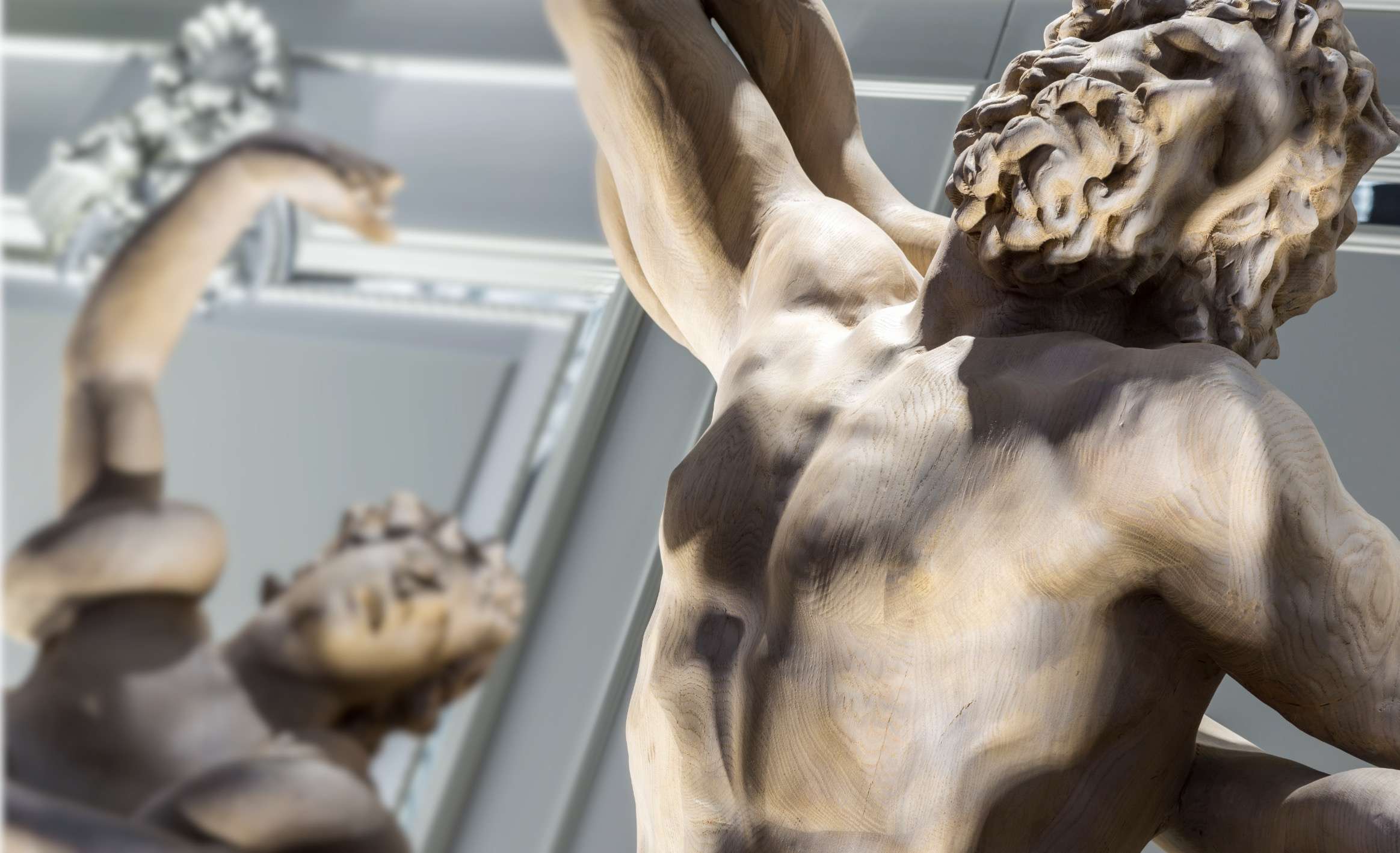
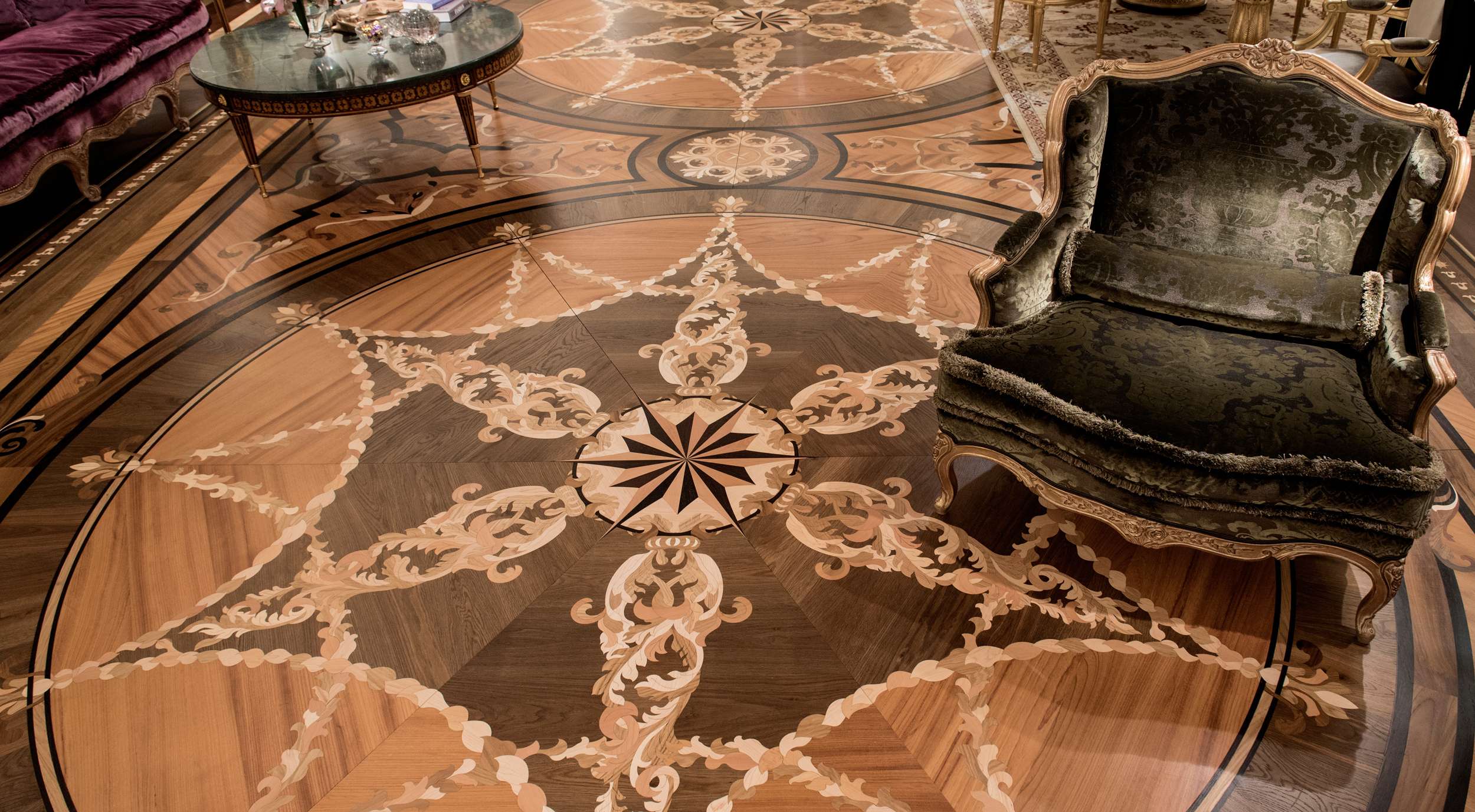
A century of craft leaves a deep knowledge of the material. Woods are selected for grain, colour and response to light, from walnut of different origins to maple, elm and olive ash. The finishes include hand lacquering in several coats, natural waxes and gold leaf on bole. Knowledge of the material makes it possible to predict how it will behave over time and under light, and guides the choice of the right technique for each project.
Unique pieces for each space and client
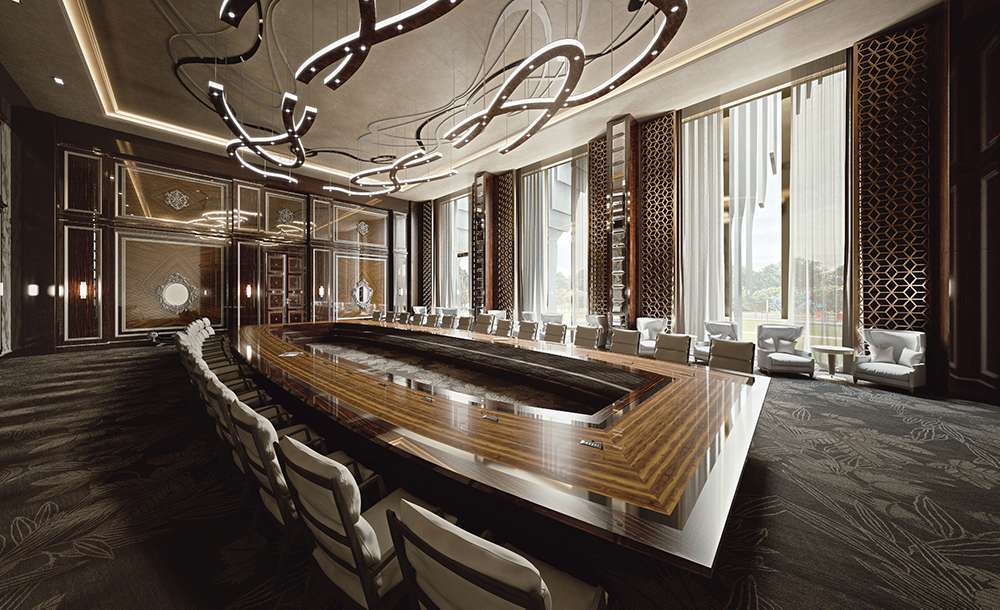
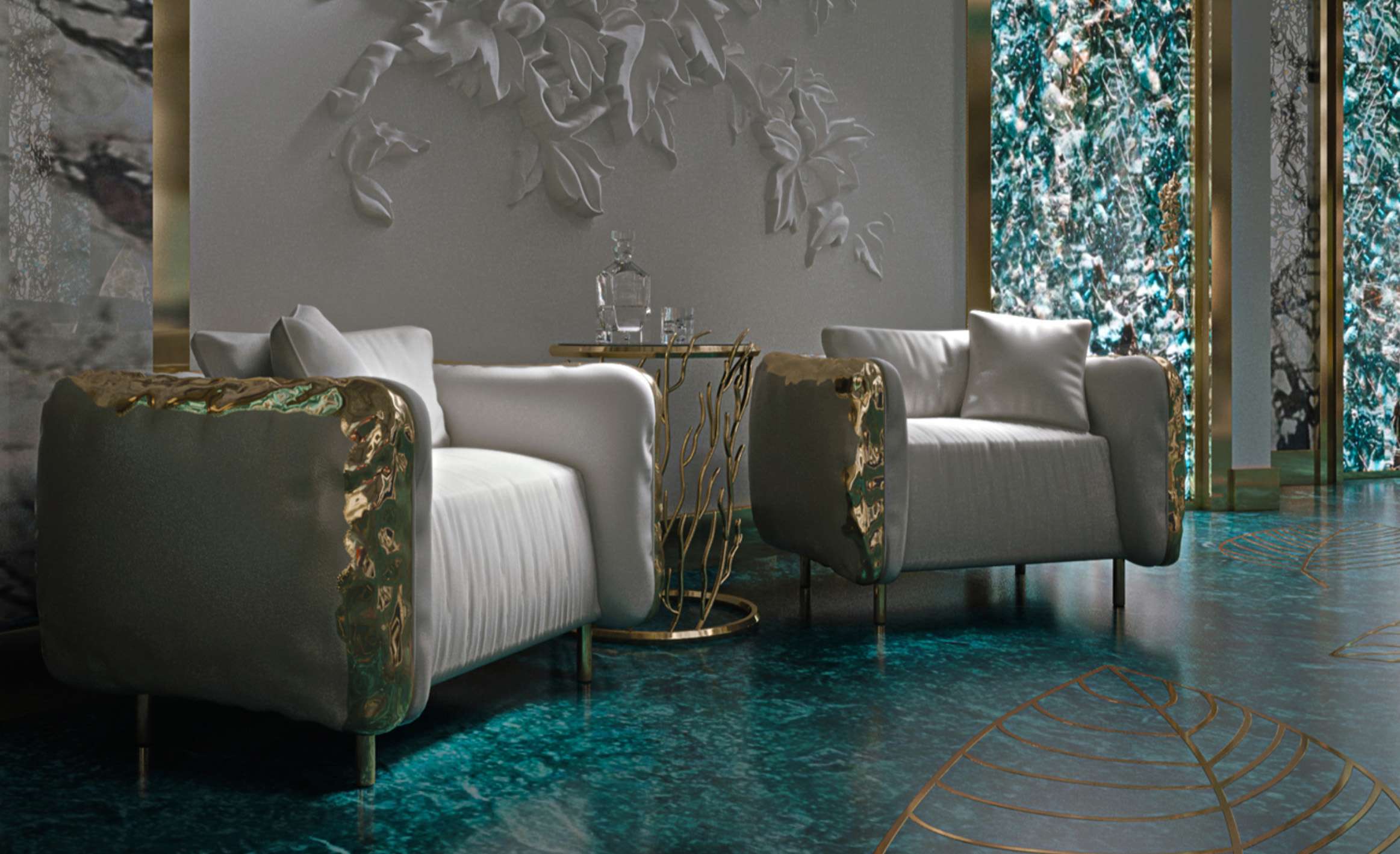
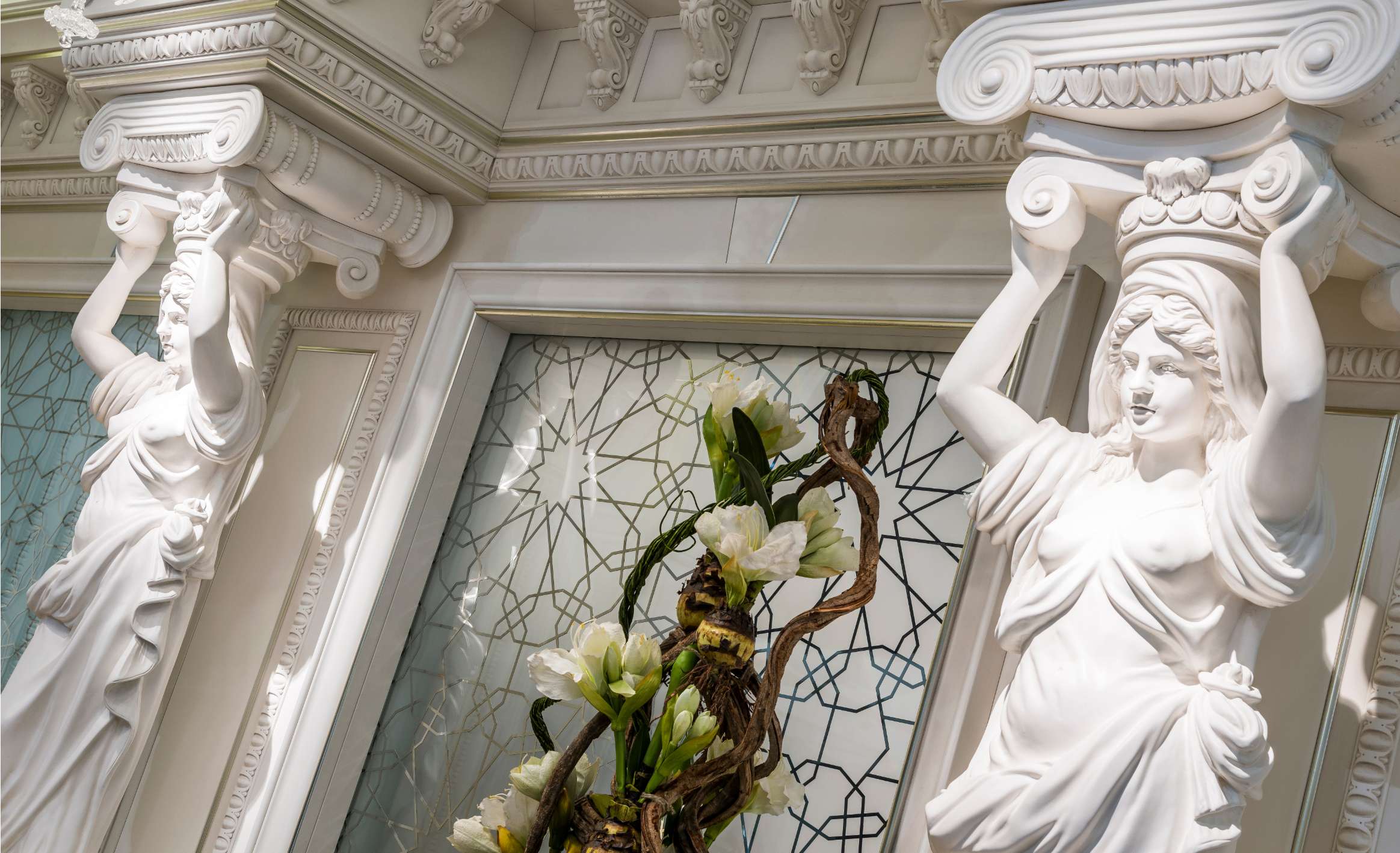
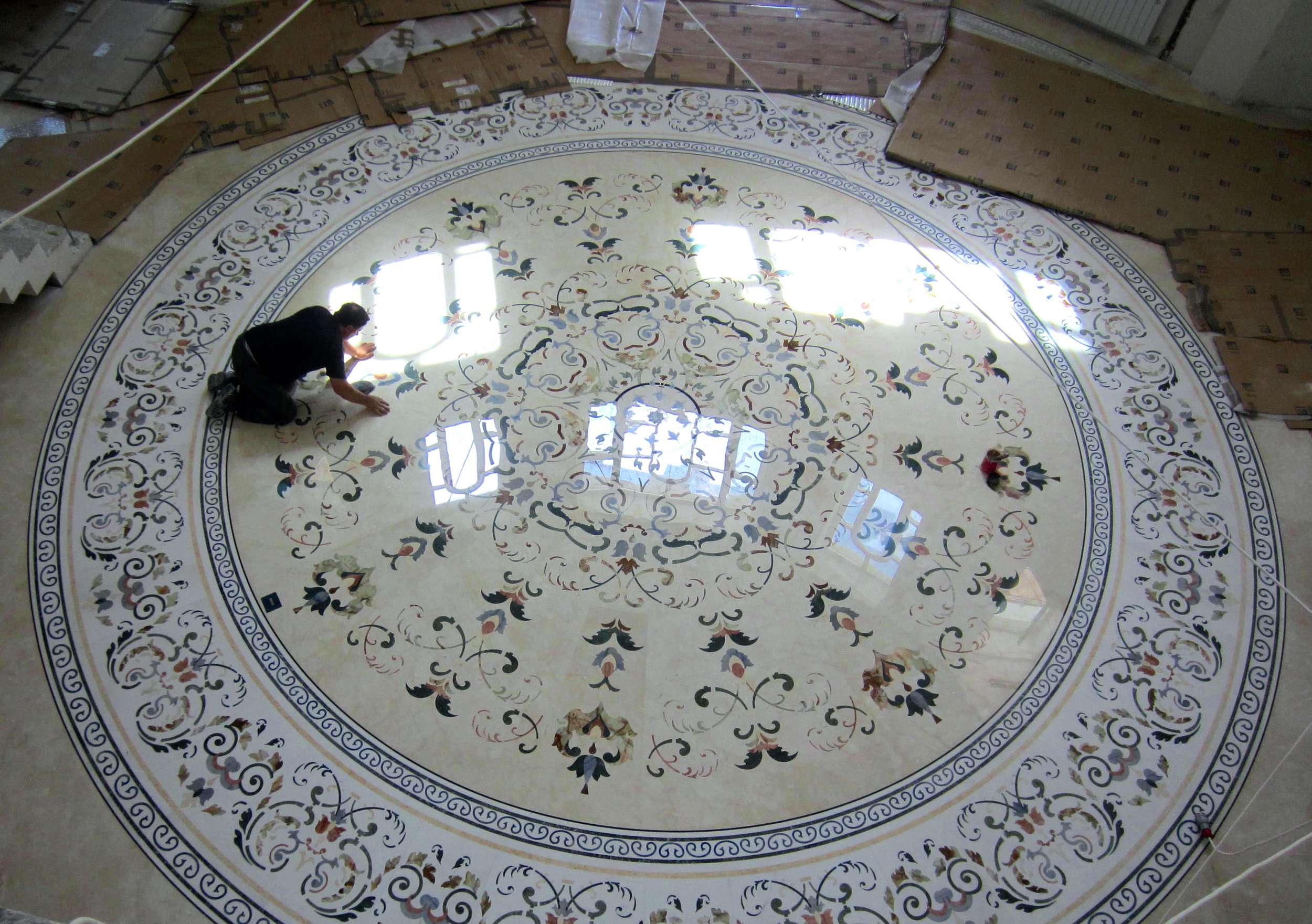
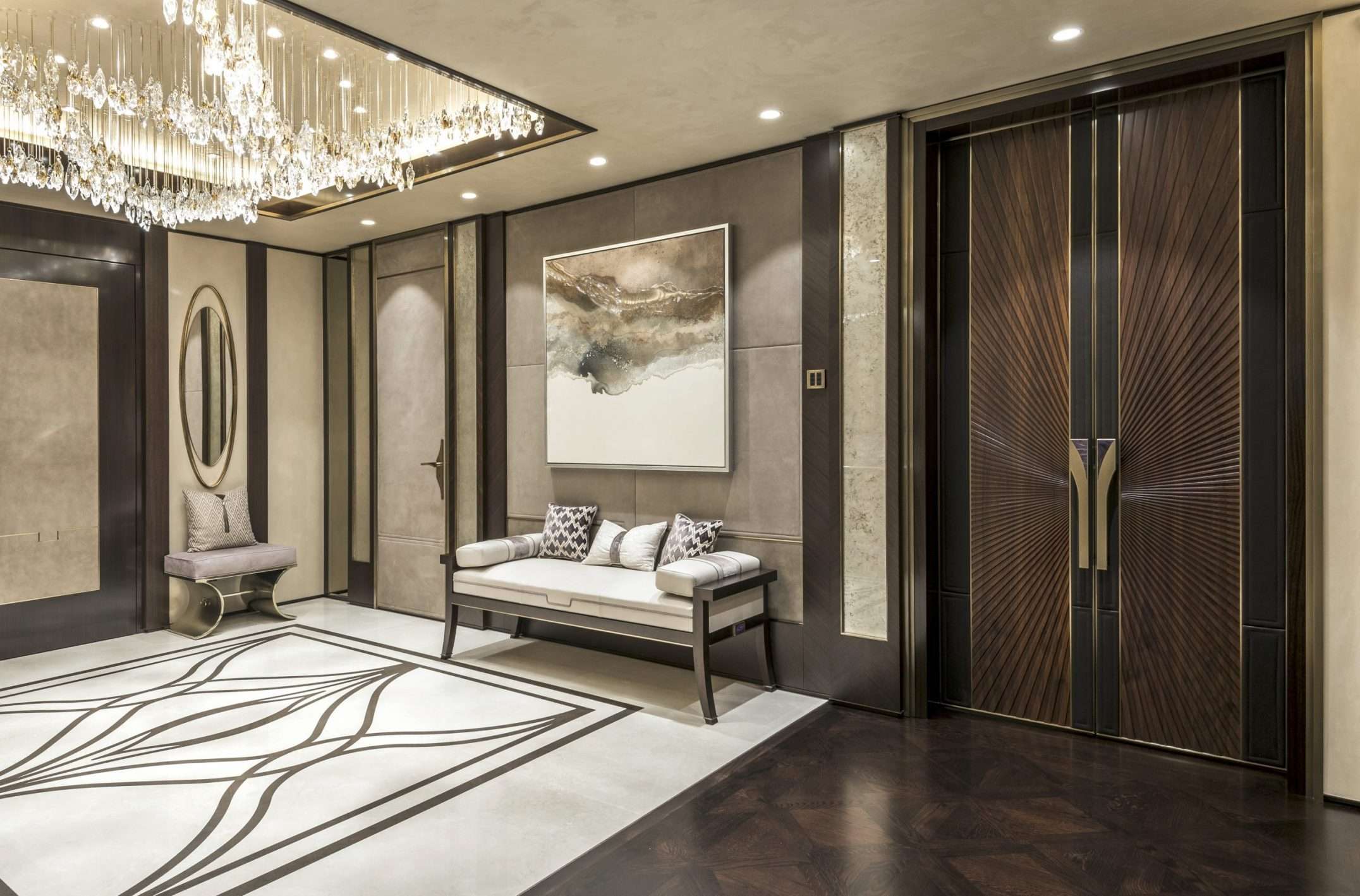
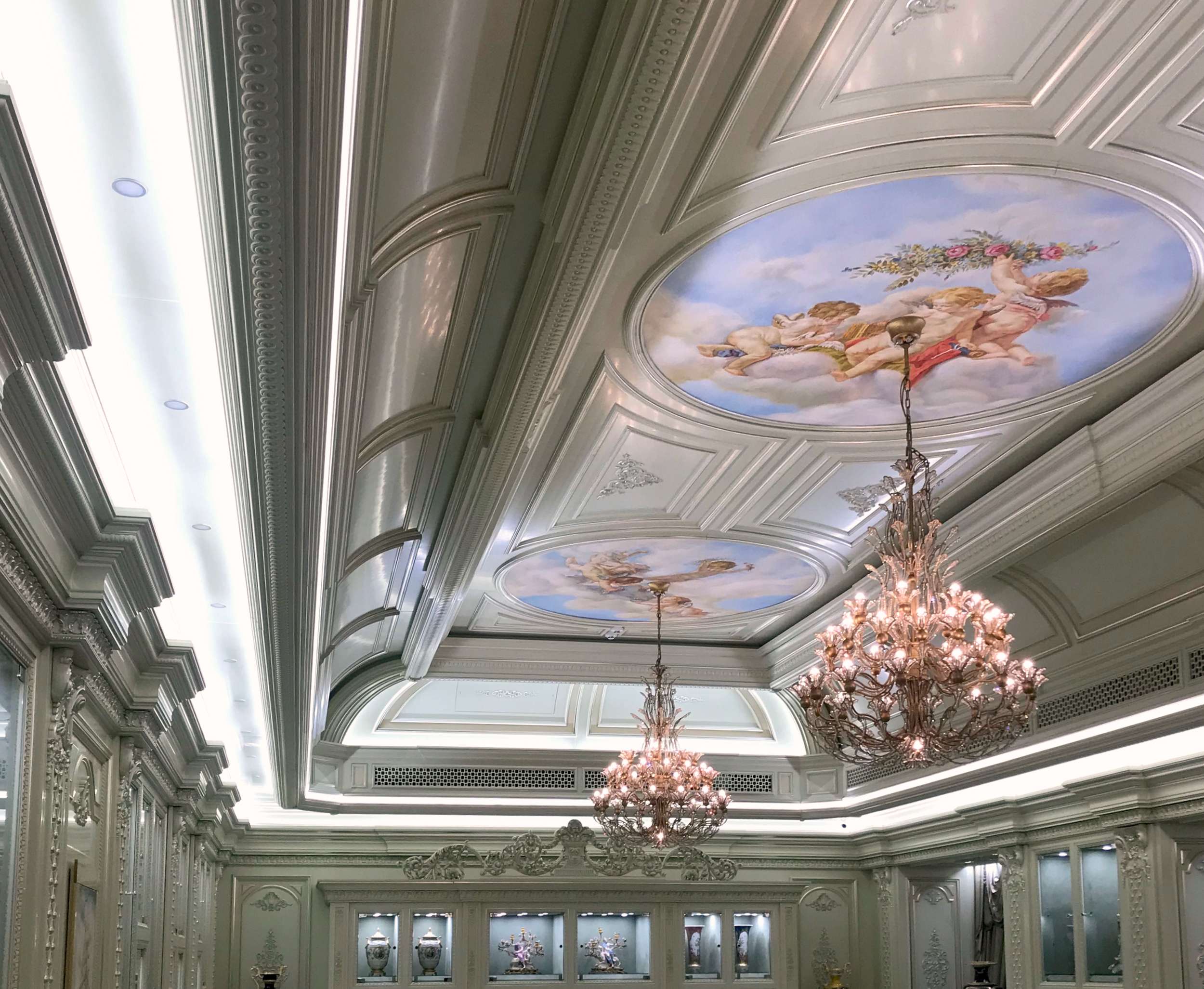
Luxury craftsmanship produces unique pieces, designed for a specific space and client. No model can be replicated, because each element is made to the size and character of that project. Boiserie, portals, built-in bookcases and architectural components give structure to the architecture, and their quality shows in details that standard production does not reach.
Craft and technology in the same process
The most common way of describing a craft company sets tradition against innovation. At AB Italia the two work together.
Traditional techniques as the starting point
Traditional cabinetmaking techniques, such as dovetail and mortise and tenon joints, remain the basis of the work and the foundation for everything else. They show how wood responds and how it should be treated, and reach their highest form in Contemporary Fine Cabinetmaking, where woodworking reaches the level of the unique architectural component.
Machine precision at the service of the hand
Precision technology builds on this craft base. 5-axis CNC centres and cutting systems make otherwise impossible geometries achievable, while laser scans bring exact measurements to the millimetre to the building site. The machine amplifies the master’s gesture, because the hand defines intention and finish while technology ensures precision on complex forms. This combination is the signature of the Made in Italy excellence that AB Italia represents.
The craft heritage in contemporary design
A century of craft matters in today’s projects because it translates into hands-on expertise. Knowledge of materials, control of the supply chain and the ability to produce unique pieces are applied to complex projects with a proven method, in contemporary architectural languages. The legacy of 1922 is measured in the concrete results it makes possible.
To recognise genuine luxury craftsmanship in a project, look at a few concrete elements:
- Check whether the company keeps in-house production or assembles outside supplies.
- Ask which woods and finishes it uses and why it chooses them for that project.
- Make sure traditional techniques coexist with precision technology.
- Make sure the elements are designed to measure for your specific space.
- Look for continuity between those who design and those who make, where quality is preserved.
Frequently asked questions
What does Italian luxury craftsmanship mean for AB Italia?
It means combining a century of woodworking craft with the ability to deliver complete contemporary projects. AB Italia keeps the in-house production born in 1922 in Cantù and applies it today to high-end interiors all over the world.
Why does the year 1922 matter?
1922 is the year the craft workshop was founded in Cantù, in Brianza, one of the historic woodworking areas of Italy. From that workshop comes the technical expertise that AB Italia applies today to architecture and interior projects.
Is the craft tradition at odds with the use of technology?
No. At AB Italia traditional cabinetmaking techniques are the starting point and technology is a tool. Handwork and 5-axis CNC centres operate together, and producing complex geometries with the quality of handwork becomes possible.
What sets luxury craftsmanship apart from mass production?
Luxury craftsmanship produces unique pieces, designed for a specific space and client. No model can be replicated, and the quality comes from expertise in materials and finishes.
Does production stay in-house at AB Italia?
Yes. Those who design the work make it or directly supervise its production. The continuity between design and execution, preserved from the 1922 workshop to today, keeps the result consistent from drawing to installation.