




What is a turnkey project in interior design
This image may have been generated or edited with the help of artificial intelligence models.
On every interior design site, small decisions are taken all the time that the project documents cannot fully cover. The supplier who cannot find the specified material proposes an alternative, the fitter applies the tolerances they usually work with, and each of these choices, made without detailed knowledge of the project, can move the final result away from the original intention. In a model limited to interior design, the person who developed the project is absent from all of these moments.
A turnkey project is the model in which the studio stays present at all of these moments, because it has taken responsibility for the entire operational chain, that is design, production, procurement, site and installation. The term comes from construction and engineering, where it means the delivery of a working facility without intermediate steps, so the client receives the keys and finds everything ready.
What turnkey means in an interior project
In interior design, the turnkey model carries an extra layer of complexity compared with civil engineering. Delivering a working facility can be verified objectively, while delivering interiors that respect the vision of the project requires that whoever manages execution can read the specifications with the same expertise as whoever wrote them.
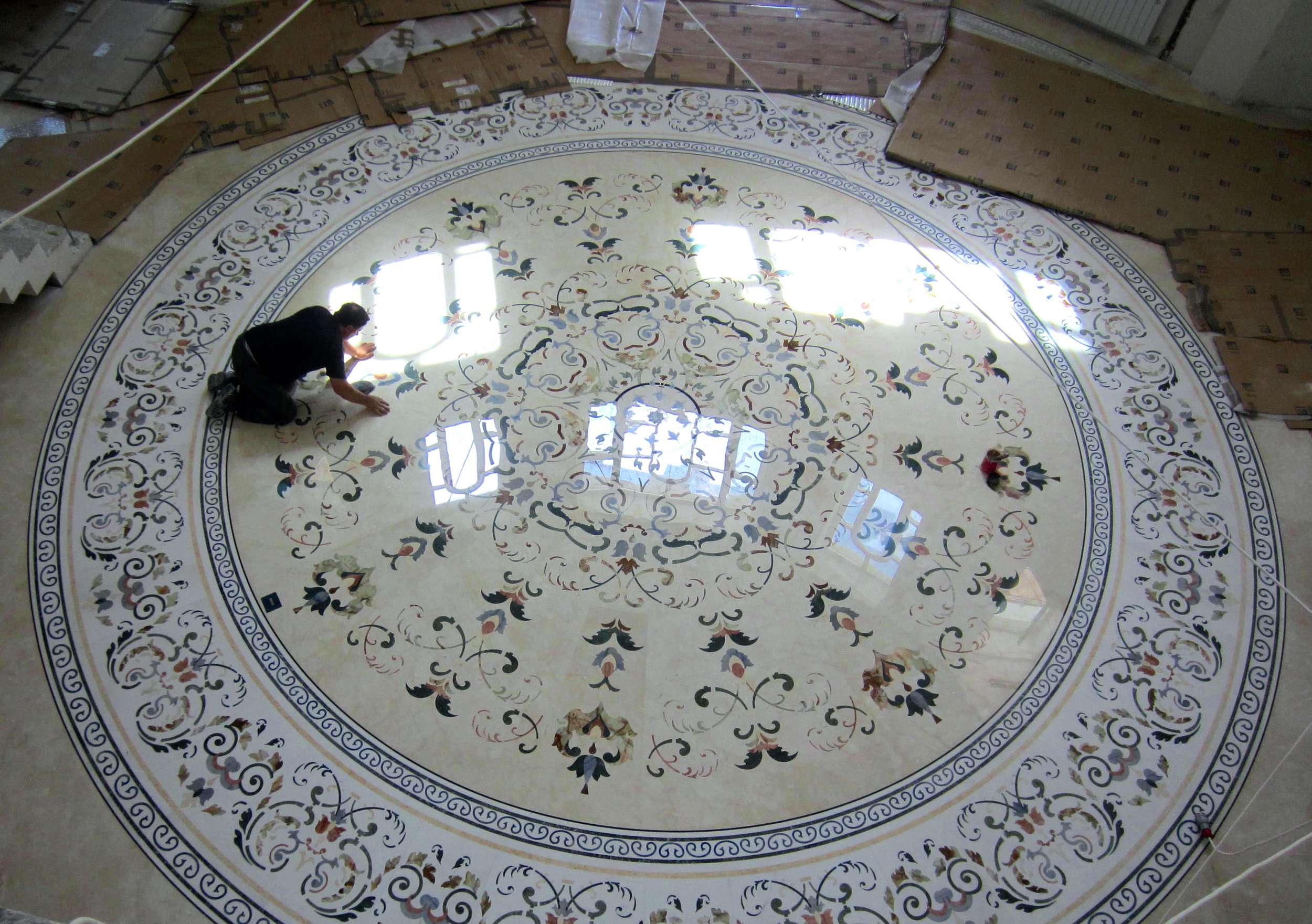
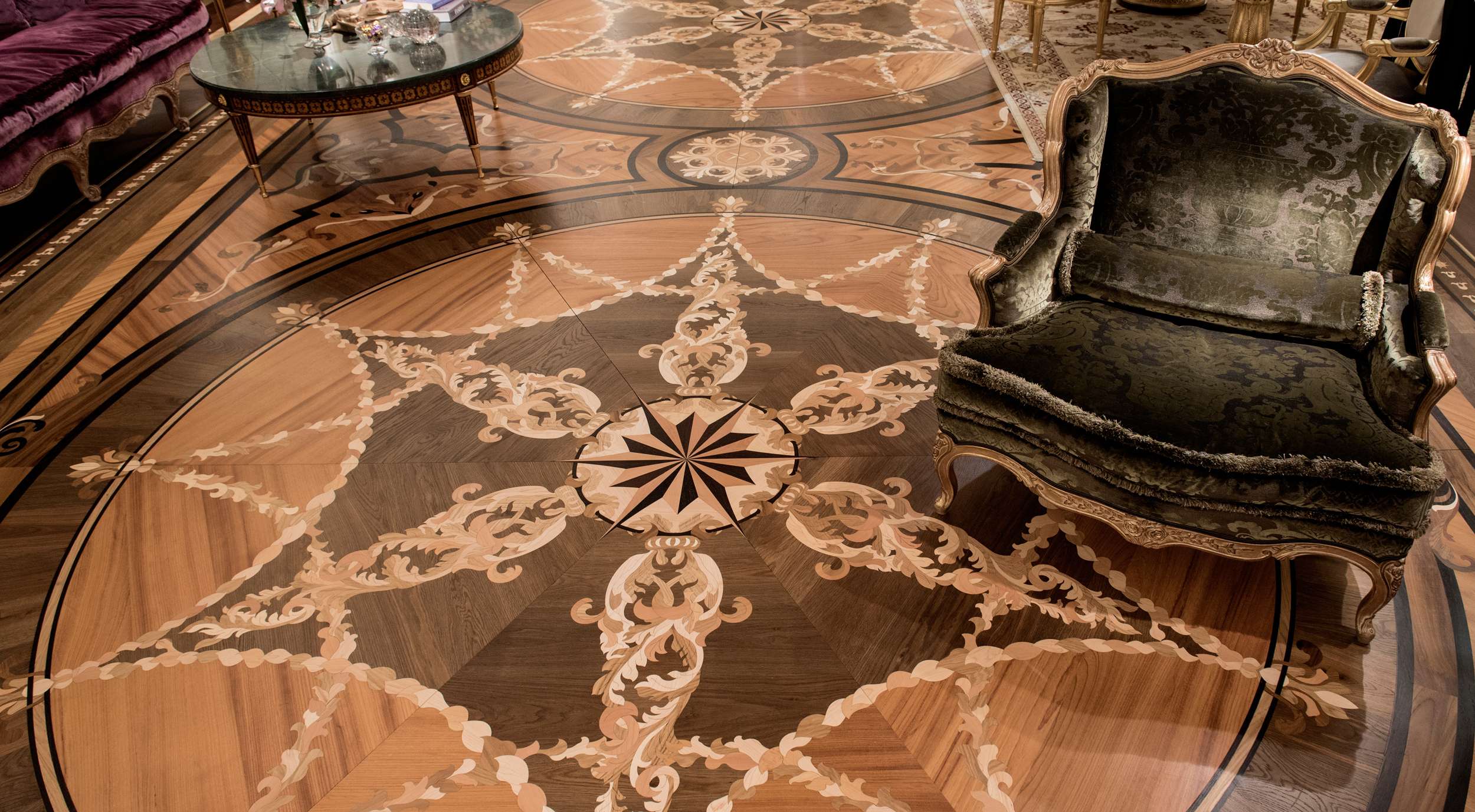
AB Italia was born as a craft business and grew into an architecture studio while keeping the ability to produce directly. Boiserie, bespoke furnishings and inlaid marble and wood floors are made in-house. The project and its execution belong to the same hands, and this is what sets AB Italia apart from studios that only manage the supply chain.
Alongside this in-house production, AB Italia works with long-standing partners for highly customised elements, such as fabrics made to design, mosaics, stained glass and chandeliers, where the studio provides the complete design and follows the entire production, from the choice of materials to the physical samples. In a turnkey commission AB Italia takes responsibility for the entire operational chain, from design to handover, and the client has a single point of contact for everything.
What a turnkey commission includes
A complete turnkey commission covers all the phases that lead from an empty property to finished interiors, and the complete management of the interior project includes components that in a traditional model would be separate responsibilities.
- Architectural and interior design. The studio develops the project from the analysis of the space to the concept and the detailed design, with the construction details needed for each trade, and the two disciplines are handled as a single flow rather than as separate commissions.
- In-house production. Boiserie, bespoke furnishings and inlaid marble and wood floors are produced directly by AB Italia, in parallel with the site, so they are ready at the time of installation. The specifications of the project remain under the direct control of those who wrote them, without passing through outside workshops.
- Production with specialist partners. Highly customised elements such as fabrics made to design, mosaics, embroidery and carpets, chandeliers and stained glass are made by long-standing partners who carry out the studio’s design. The studio provides the complete drawing and defines every technical choice, from the scale of the motif to the fibre of the yarn, from the selection of individual marble slabs to the specification of surface treatments, then approves physical samples before production starts.
- Selection and procurement of materials. The studio identifies the materials, checks availability and delivery times, schedules supplies to fit the site programme and manages direct relations with suppliers for the whole duration of the project.
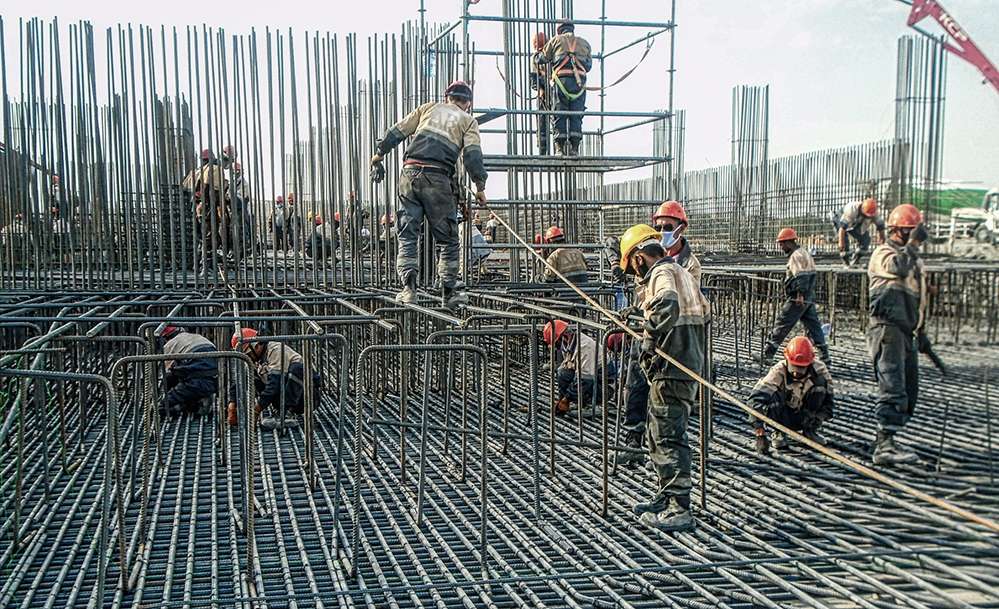
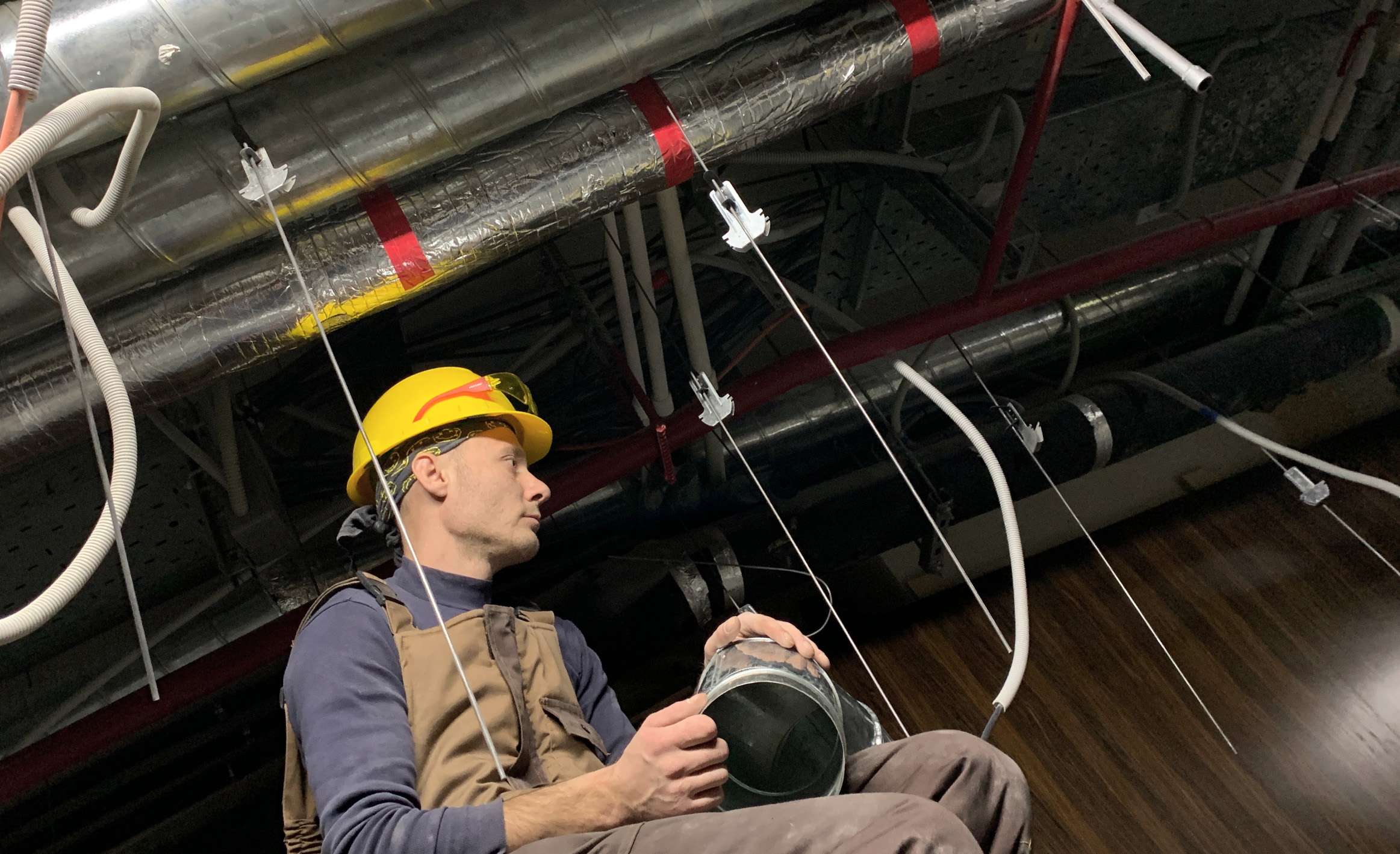
- Coordination of the trades on site. AB Italia brings its own in-house teams to the site, among them carpenters and specialised fitters, and coordinates the other trades by managing the sequence, anticipating clashes between disciplines and solving problems on site without involving the client in operational details.
- Supply of furniture and accessories. The studio selects, orders and coordinates the delivery of furniture, lighting and accessories, planning the order in which each piece enters the site so that every element arrives when the conditions for installation are actually ready.
- Final installation and inspection. Installation follows a sequence set by the project, and before handover the studio carries out a systematic inspection, checking the alignment of the panels, the compliance of the joints with the specifications, the artificial light in every condition of use and the position of the furnishings against the design drawings.
On timing, the turnkey model makes a concrete difference. In-house production of boiserie, floors and bespoke furnishings starts when the concept is approved, in parallel with the orders for long-lead materials, such as bronze hardware made by specific foundries, fabrics made to order or marble slabs selected for precise characteristics. In a design-only model those orders start much later, and the schedule lengthens as a result, because the studio has handed over the project without coordinating the start of production.
The Worksites and Workers page describes AB Italia’s sites around the world and the professionals who run them, from the design team to the production and installation teams.
What remains with the client
The turnkey model transfers the operational side to AB Italia and leaves the design decisions to the client. Approvals always remain with the client and cover the key steps of the process, namely the initial brief, which defines needs and priorities; the concept, which sets the aesthetic and spatial direction; the detailed design, in which that direction becomes precise construction instructions; and the materials and samples, to be confirmed before orders are placed.
Samples and mock-ups are where the client’s involvement becomes most concrete. Before production of a boiserie starts in-house, the studio presents a prototype of a section with the exact finishes, proportions and construction details of the project, and the client approves a physical object before the work begins. The same applies to cladding, flooring, fabrics and any other element whose visual complexity renders cannot fully convey, both for pieces produced in-house and for those made by a specialist partner.
The precise distinction is between decision-making involvement and operational involvement. The first always stays with the client, the second passes to AB Italia. For clients who manage the project from a distance or have little time for day-to-day supervision, this separation is the difference between a manageable process and one that requires constant presence.
The difference from design-only commissions
When the commission is limited to design, the studio delivers drawings, technical specifications and a schedule of materials, and from that point the client manages execution through a contractor, craftsmen and suppliers as separate parties, each with their own procedures and priorities.
The most specific problem is the loss of design intent along the chain of execution, which happens through micro-decisions that no document can fully cover. A specification may call for a 1.5 mm joint between marble slabs, yet if the fitter always works at 3 mm and nobody knows the project well enough to challenge it, that specification is ignored. The depth of a cornice is rounded to the carpenter’s standard size. The direction of the grain on a panel is not indicated, so the person cutting decides. Nobody makes a formal mistake, and still the final result departs from the original design through the accumulation of these variations.
A second mechanism concerns substitutions during procurement. When a fitting is out of stock, a fabric is discontinued or a slab is not available in the required size, the supplier proposes a technical equivalent, and in a design-only model the client approves without the means to assess the visual effect of that substitution on the project as a whole.
Whoever designed the project knows every construction detail and is present when the micro-decisions are made. For elements produced in-house, the project and its execution stay in the same hands, so there is no chain of transmission in which the design intent gets lost. For elements made with specialist partners, the studio provides the complete design and directs production in detail, so the technical choices stay under design control from start to finish.
| Aspect | Design only | Turnkey |
|---|---|---|
| Who designs | Studio | AB Italia |
| Who produces boiserie, bespoke furnishings and floors | Outside craftsmen or firms | AB Italia (in-house) |
| Who chooses and coordinates the production partners | Client | AB Italia |
| Who assesses substitutions during procurement | Client | AB Italia |
| Who supervises micro-decisions on site | Nobody with design expertise | AB Italia |
| When long-lead material orders start | After the detailed design | When the concept is approved |
| Responsibility for the final result | Spread across several parties | AB Italia |
When a turnkey commission makes sense
The turnkey model offers the greatest advantage where following the execution phase directly would require a commitment of time and a presence on site that the client prefers not to take on personally.
Projects managed from a distance, with clients who do not live in the city where the work takes place, are the most direct case. On a complex site the client receives questions from contractors, suppliers and craftsmen every week, and answering them with full knowledge requires technical expertise that few people have. From a distance the problem grows, because every answer requires alignment with whoever is on the spot, and an error of judgement only comes to light at the next visit. A studio that manages everything answers those questions on its own, without loading the client with operational decisions that cannot be taken with the information available.
Highly complex projects, with many specialist trades that must proceed in a precise sequence, benefit from the turnkey model for technical reasons. From design to installation, the chain of dependencies between materials, systems and the work produced in-house is hard to manage if whoever coordinates does not know the project in detail, so a studio that designs and produces in-house anticipates these dependencies from the design phase and plans accordingly.
Tight deadlines are a third case. When handover has a fixed date, integrated management allows the studio to optimise the site programme taking the entire operational chain into account, which is harder to do when design and execution are in separate hands with partial information on both sides.
To understand how the model is organised in practice, the article on how the process works from start to finish describes the operational phases in detail and how the model applies to residential and hospitality projects of different complexity, while the completed projects section gathers a selection of finished work.
Frequently asked questions
Does a turnkey commission include architectural design?
A complete turnkey commission covers both disciplines, with architectural design and interior design developed as part of the same workflow. A partial turnkey commission can start from an existing architectural project and cover only the interior project and its execution, with a scope that depends on the state of the project at the time of the commission. The distinction should be agreed with the studio before the commission is defined.
Who is responsible if something goes wrong on site?
In a turnkey model AB Italia is the client’s single point of reference and takes responsibility for production, coordination and the result. If something goes wrong on site, the client turns to AB Italia, which solves the problem directly, through its own in-house teams or in coordination with its specialist partners, without drawing the client into the dispute. This simplifies the handling of the unexpected compared with a model in which designer, contractor and craftsmen have separate responsibilities that do not always coincide.
Does turnkey exclude the client from aesthetic choices?
The turnkey model delegates operational execution and leaves the client in control of the design decisions. The client approves the aesthetic choices in the concept phase, in the development of the interior project and in the selection of materials, and samples are confirmed on physical objects before production starts. The difference from a traditional model concerns who manages the step after approval, namely in-house production, purchasing, logistics and installation, which in a turnkey commission remain with AB Italia.
Does turnkey make the project take longer?
The length of a project depends on the complexity of the work, the type of materials and the availability of the craftsmen involved, with or without integrated management. Integrated management can shorten the overall schedule because it starts both in-house production and long-lead material orders when the concept is approved rather than at the end of the detailed design, and it removes the bottlenecks typical of coordination between separate parties. A structured process meets deadlines better than one split among several parties.